MCE – Mostra Convegno Expocomfort – Sacemi Gamar in Milan from 24 to 27 March
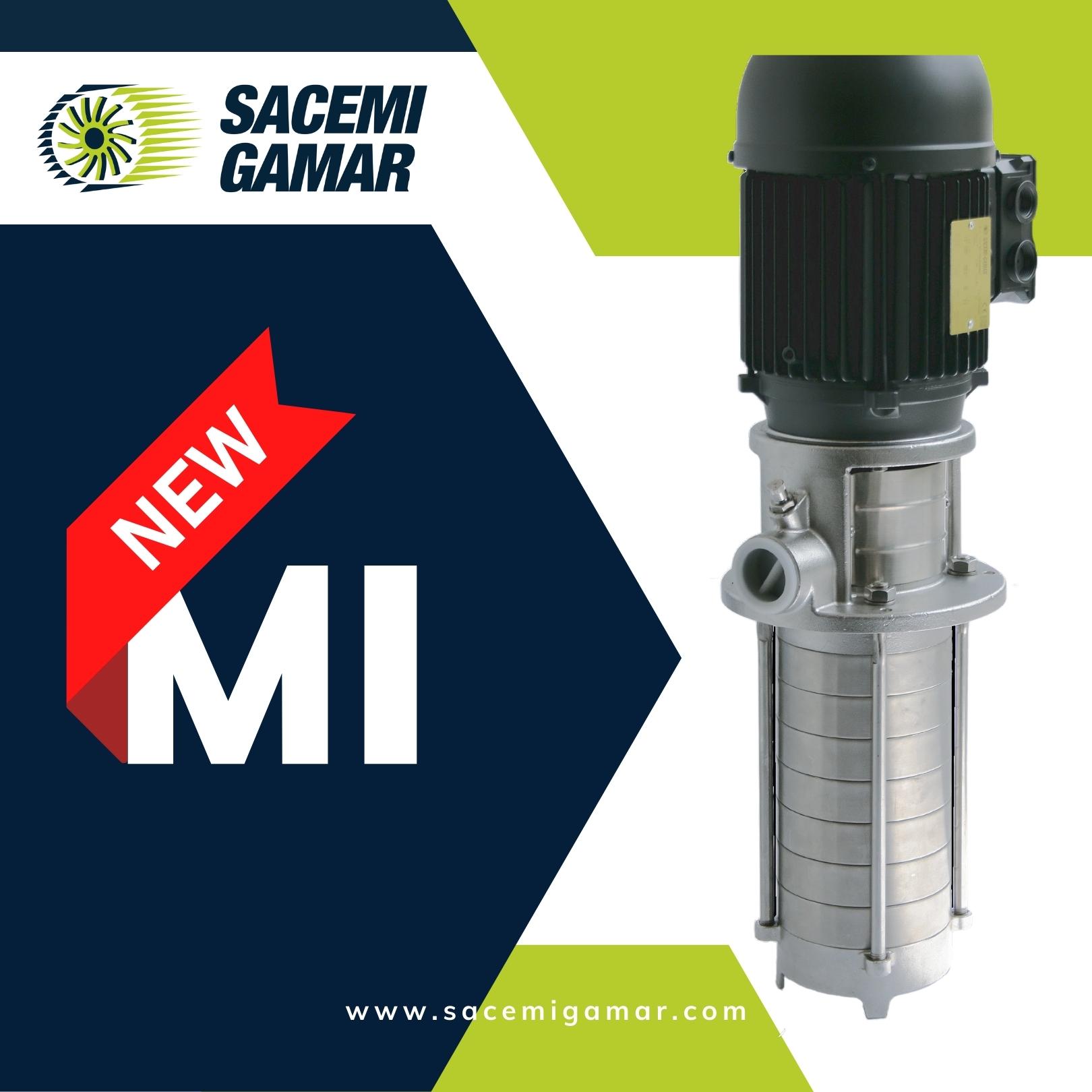
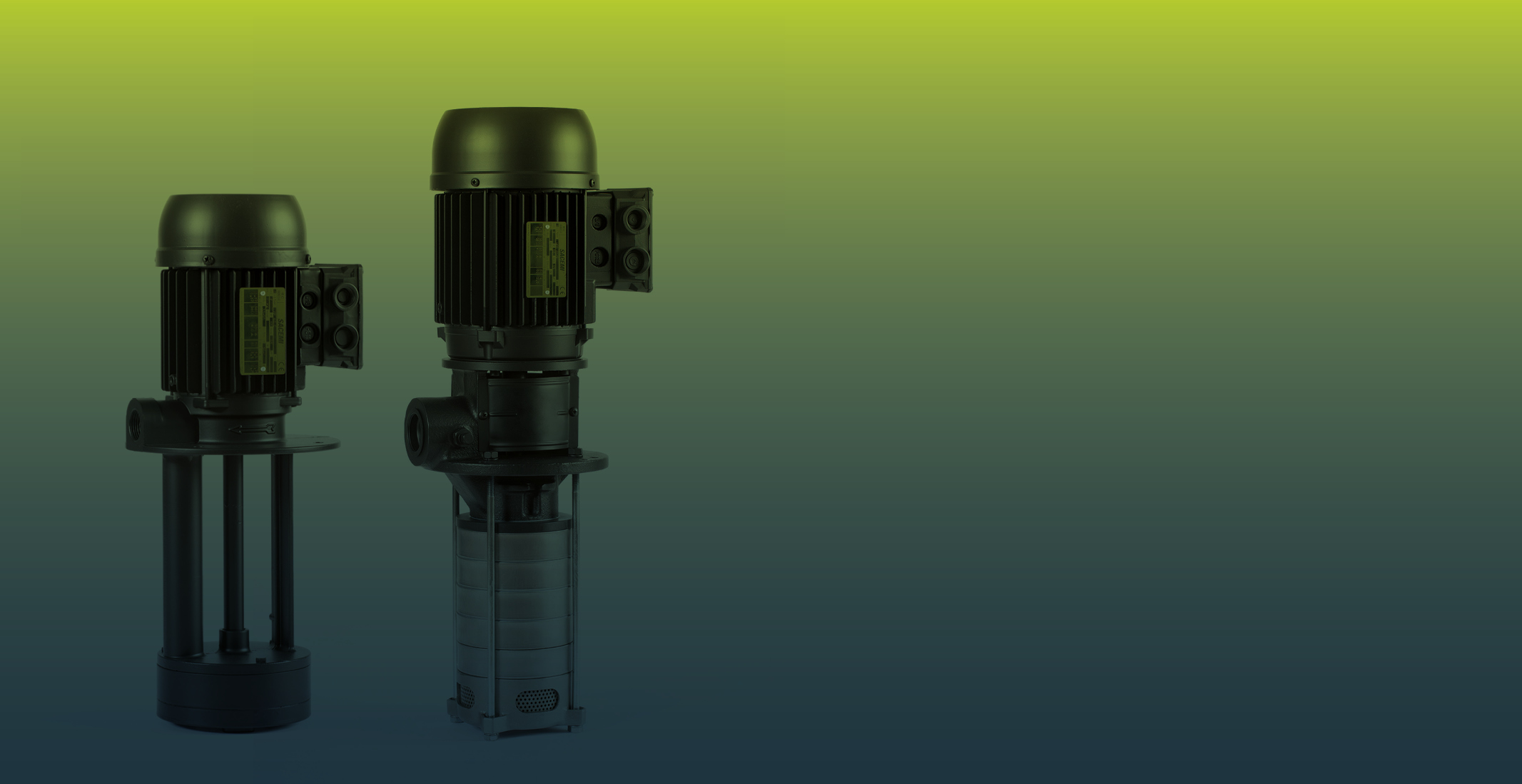
From 24 to 27 March, Sacemi Gamar will take part in MCE – Mostra Convegno Expocomfort, the leading international trade fair dedicated to HVAC technologies, energy efficiency and plant engineering systems, held at Fiera Milano. With its participation, Sacemi Gamar strengthens its presence in the HVAC and industrial plant sector, showcasing its range of industrial electric motors and electric pumps entirely designed and manufactured in Italy. Industrial electric pumps and motors for HVAC applications In complex HVAC systems, performance depends not only on boilers, chillers or control systems, but also on the reliability of core electromechanical components. Electric pumps and industrial motors are essential in: heating and cooling systems water circulation plants booster sets fire-fighting systems cooling towers industrial process plants At MCE Milan, Sacemi Gamar will present solutions engineered to guarantee long-term reliability, stable performance and operational continuity even in demanding working conditions. Engineering reliability as a measurable parameter In industrial environments, reliability is not a marketing claim but a technical parameter that must be verified under real operating conditions. Sacemi Gamar designs and manufactures electric motors and pumps by carefully considering: variable load conditions frequent start-up cycles thermal dissipation environmental stress factors maintenance requirements and lifecycle This engineering approach allows OEMs, system integrators and plant designers to rely on components capable of reducing downtime, limiting maintenance costs and ensuring consistent efficiency over time. Energy efficiency and compliance with European standards Energy transition and efficiency are key themes at MCE. Sacemi Gamar’s industrial electric motors are developed to meet current European efficiency regulations and to support the design of sustainable HVAC systems. Optimised performance, precision manufacturing and material selection contribute to improving overall system efficiency. The correct pairing of pump and motor plays a strategic role in reducing energy consumption and enhancing the long-term sustainability of industrial and civil installations. A technical partner for OEMs and system integrators MCE is not only a commercial showcase, but also a technical meeting point for manufacturers and engineering professionals. Sacemi Gamar positions itself as an industrial partner able to support customers from the early stages of project development, offering: technical consulting customised solutions based on specific requirements in-house quality control production flexibility support during testing and integration phases The internal production process ensures direct control over design, manufacturing and quality standards, guaranteeing traceability and consistency. Meet Sacemi Gamar at MCE Milan Participation in MCE confirms Sacemi Gamar’s commitment to strengthening its position in the industrial electric pumps and motors market for HVAC and plant engineering applications. To schedule a meeting during the exhibition, please contact our sales department. MCE Milano 24-27 marzo 2026 Fiera Milano Rho (MI) Hall 2 - Stand K25